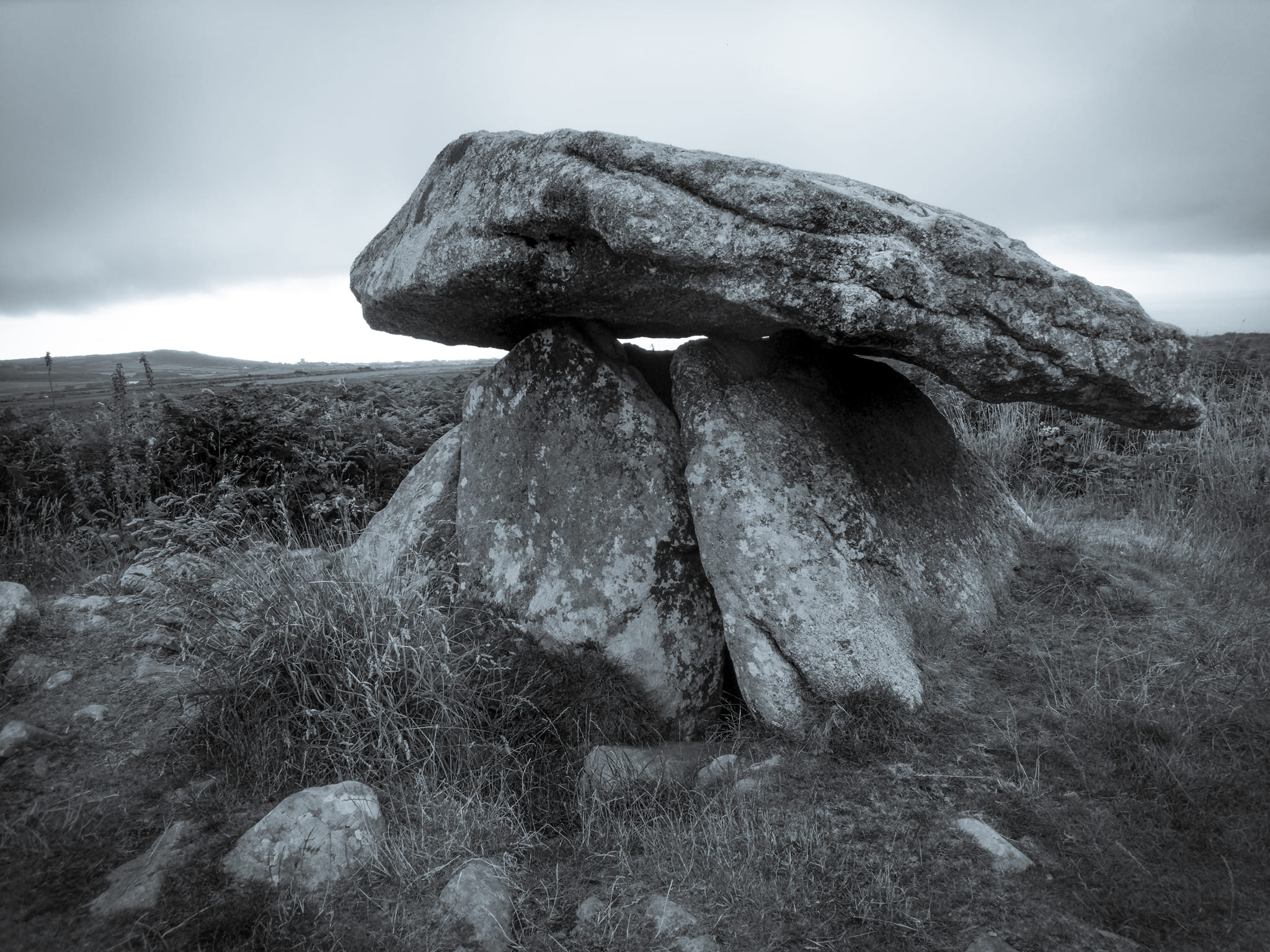
This new series of blog posts will look at prehistoric burials and what we can learn from them. In our death averse – even death phobic culture, I find the past can be enlightening, inspiring and full of wonder. I have chosen eight different burials to share with you through the year, ranging from Palaeolithic to the Iron Age, and geographically from close to where I live in Devon to overseas.
I am endeavouring to avoid viewing the past through rose-tinted glasses. Whilst there are many examples of beauty and sacredness in the way people lived and died, they would also have faced many difficulties and challenges that we are spared by modern healthcare, food production and creature comforts. Surviving to adulthood was far from guaranteed and there are also many examples of violent deaths, so imagining this time as a peaceful nirvana is unrealistic and does not reflect the complexities of prehistoric cultures.
However, I think that studying the way that ancient peoples tended and honoured their dead can give a good idea of the values of their culture – or in Sir William E. Gladstone’s words “Show me the manner in which a nation cares for its dead and I will measure with mathematical exactness the tender mercies of its people, their respect for the laws of the land, and their loyalty to high ideals.”
Each burial will, I hope, bring a different aspect of deathcare to light, using these examples from the past to raise questions and open conversations about what death means to us today. I am not an archaeologist and my interpretations are just that, others may interpret these examples differently. There are no written records from this period so we will never know for certain what intention and belief were woven into these silent sites.
But by considering times when death was so much more a part of everyday life, we may find a way to bring it back where it belongs – as an intrinsic part of our existence and one that need not be hidden or feared.
No responses yet